2 / 19
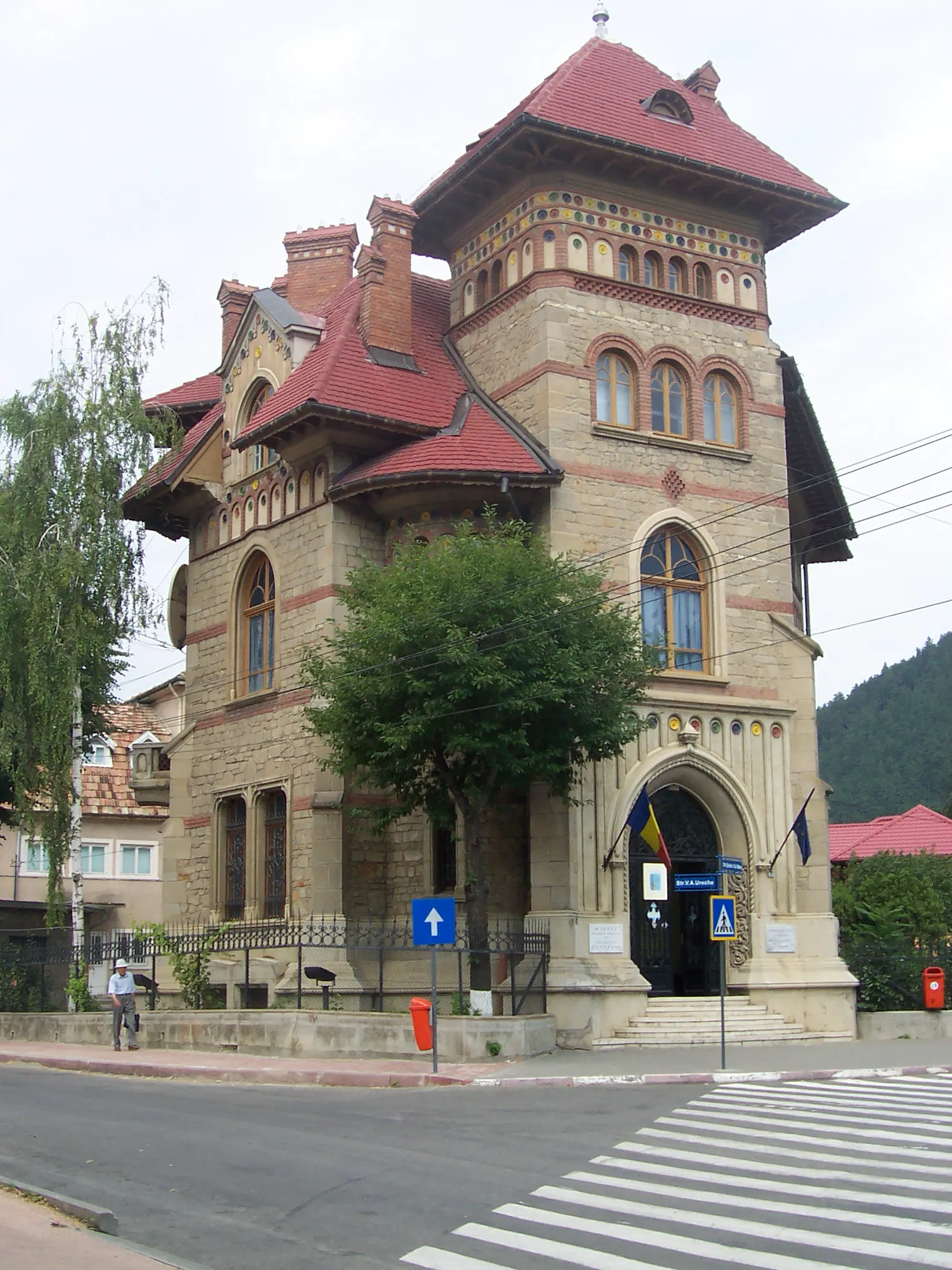
Stop 2Room 1: a history of research
Discovering Cucuteni: a history of research
This room tells the story of the people who brought the Cucuteni civilisation to light. Its name comes from the village of Cucuteni, in Iași County, where the site was identified in 1884.
- Period
- din 1884 până astăzi
- Where it is
- Room 1: a history of research, ground floor
Read the textHide the text
Narration text
This room tells the story of the people who brought the Cucuteni civilisation to light. Its name comes from the village of Cucuteni, in Iași County, where the site was identified in 1884. The first large excavations there were carried out by the German archaeologist Hubert Schmidt in 1909 and 1910.
For Neamț, the key figure is the priest Constantin Matasă, a passionate archaeologist and founder of the museum in Piatra-Neamț, who among other finds discovered the famous Frumușica Round Dance. Generations of researchers followed, and the Neamț museum became the Romanian institution that has done most to study this culture, through excavations, exhibitions and publications. The International Centre for Cucuteni Culture Research is based in this very building.
We now know that the Cucuteni–Trypillia civilisation stretched across today's Romania, the Republic of Moldova and Ukraine. Look at the portraits: each of these people added a piece to the puzzle you are about to discover in the rooms ahead.